

A Comprehensive Guide to Renting Forklifts in Singapore
Forklift rental Singapore is a critical service for numerous industries requiring efficient materials handling without the long-term commitment of ownership. This comprehensive forklift rental guide explores the nuances and strategic considerations behind choosing the right rental options, understanding pricing models, evaluating rental companies, and adhering to safety and maintenance protocols. With Singapore’s dynamic industrial landscape, understanding these facets can optimize operational efficiency and cost-effectiveness while ensuring compliance with local regulations and standards.
Key Considerations Before Renting a Forklift
Before engaging in forklift rental Singapore, several factors must be evaluated to ensure the equipment aligns with operational needs and budgetary constraints. These considerations encompass the type of forklift required, load capacity, operating environment, rental duration, and compliance with Singapore’s workplace safety regulations.
Forklift Types and Operational Needs
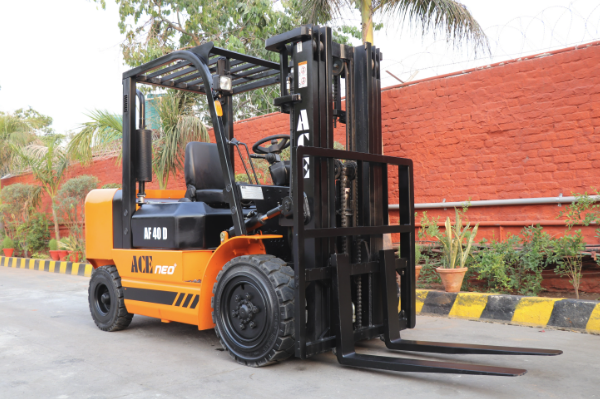
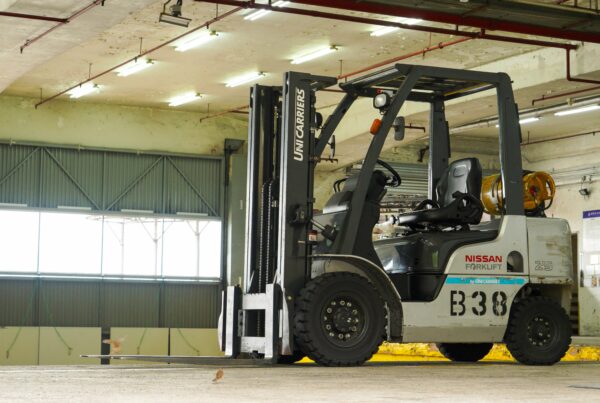
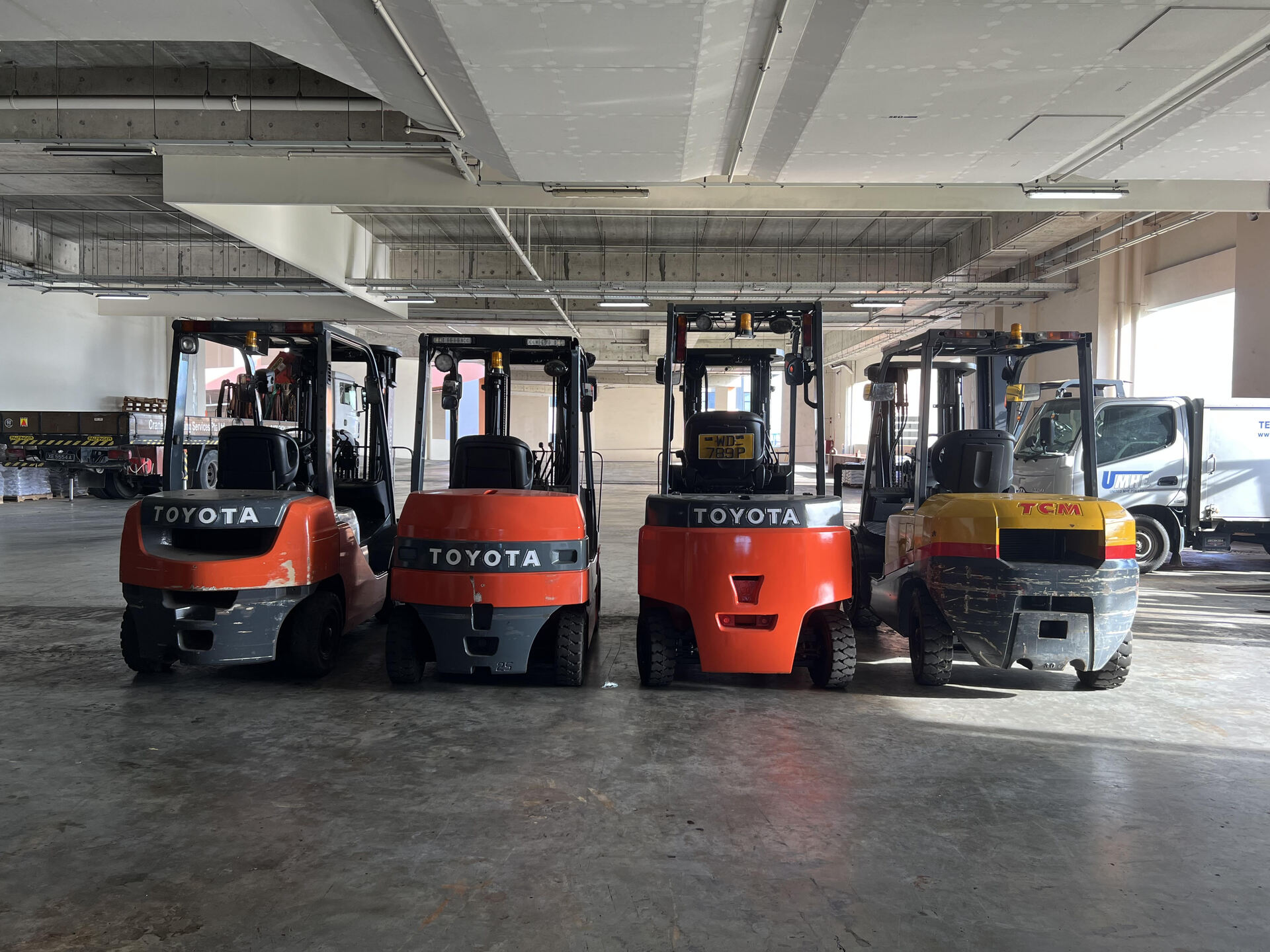
Different forklift types such as electric, diesel, or LPG-powered models cater to varied environments and tasks. Electric forklifts, favored for indoor use, offer low emissions and quieter operation, making them suitable for warehouses and retail spaces. Diesel forklifts, with higher power output, are preferred for outdoor applications involving uneven terrain. Selecting the correct type mitigates risks and enhances productivity.
Load Capacity and Size
Determining the maximum load weight and lift height is vital. Forklifts are rated by their load capacity, typically ranging from 1 to 10 tons. Renting a forklift with insufficient capacity can lead to safety hazards and operational inefficiencies. Conversely, oversizing the equipment unnecessarily increases rental costs.
Rental Duration and Flexibility
Forklift rental periods vary from short-term daily hires to extended monthly contracts. Understanding project timelines and potential fluctuations in workload informs the choice of rental duration. Flexible contracts that permit upgrades or early returns can be advantageous for dynamic project demands.
Compliance with Safety and Legal Standards
Singapore’s Ministry of Manpower (MOM) enforces strict regulations on forklift operation and rental, mandating certified operators and adherence to safety standards. Ensuring the rental provider supplies equipment compliant with these regulations reduces liability and promotes workplace safety.
Benefits of Renting Forklifts Over Purchasing
Opting for forklift rental Singapore rather than outright purchase offers multiple strategic advantages, particularly in financial flexibility, operational scalability, and asset management. Renting eliminates upfront capital expenditure, enabling companies to allocate resources to other critical areas.
Cost Efficiency and Cash Flow Management
Rental agreements typically involve predictable monthly or daily fees, facilitating budgeting without the burden of depreciation, insurance, or maintenance costs. This financial predictability supports better cash flow management, especially for startups and SMEs.
Access to Latest Technology and Models
Rental fleets are often updated to include the latest forklift models equipped with advanced safety features and improved fuel efficiency. This access allows businesses to leverage cutting-edge technology without the risk of obsolescence inherent in ownership.
Operational Flexibility and Scalability
Seasonal or project-based fluctuations in forklift demand can be managed efficiently through rental agreements, avoiding the costs and logistics of owning underutilized equipment. Additionally, rentals facilitate rapid scaling of operations in response to market demands.
Reduced Maintenance and Storage Responsibilities
Maintenance and storage are typically the responsibility of the rental company, reducing the operational burden on the client. This arrangement ensures that forklifts are regularly serviced and stored appropriately, extending equipment lifespan and reliability.
Understanding Forklift Rental Pricing in Singapore
Forklift rental pricing in Singapore is influenced by several factors including forklift specifications, rental duration, additional services, and market demand. A thorough understanding of pricing models enables businesses to optimize costs and select suitable rental packages.
Pricing Components
- Base Rental Fee: The fundamental cost for using the forklift, often calculated on a daily, weekly, or monthly basis.
- Delivery and Pickup Charges: Costs associated with transporting the forklift to and from the site.
- Maintenance and Repairs: Some rental agreements include maintenance, while others charge separately for repairs beyond normal wear and tear.
- Operator Fees: If the rental includes a certified operator, this service is often priced separately.
- Insurance and Deposits: Security deposits and insurance coverage may be required, influencing initial outlay.
Price Variation Based on Forklift Specifications
Higher-capacity forklifts or specialized models command higher rental fees due to their enhanced capabilities and operational complexity. Electric forklifts may incur different pricing structures compared to diesel or LPG variants based on fuel costs and maintenance requirements.
Comparative Pricing Table of Typical Forklift Rentals in Singapore
| Forklift Type | Load Capacity | Daily Rental (SGD) | Monthly Rental (SGD) | Additional Fees |
|---|---|---|---|---|
| Electric Counterbalance | 1.5 – 3 tons | 75 – 120 | 1,800 – 2,500 | Delivery: 100 SGD, Maintenance: Included |
| Diesel Forklift | 3 – 5 tons | 90 – 150 | 2,200 – 3,200 | Delivery: 120 SGD, Fuel: Client’s Responsibility |
| LPG Forklift | 2 – 5 tons | 85 – 130 | 2,000 – 2,800 | Delivery: 100 SGD, Fuel: Client’s Responsibility |
Comparing Forklift Rental Companies in Singapore
Choosing an appropriate forklift rental provider entails a multifaceted evaluation of fleet diversity, service quality, pricing transparency, and after-sales support. Singapore’s competitive market includes both local specialists and multinational firms, each offering distinct advantages.
Fleet Variety and Specialization
Providers with extensive fleets offer greater flexibility in selecting forklifts tailored to specific tasks, load capacities, and environments. Specialized companies may provide niche equipment such as narrow-aisle or rough-terrain forklifts, beneficial for unique operational requirements.
Customer Service and Support
Reliable rental companies provide comprehensive support including operator training, maintenance services, and rapid response to technical issues. Evaluating customer feedback and service level agreements (SLAs) aids in assessing provider reliability.
Pricing Transparency and Contract Terms
Transparent pricing with clear disclosure of all fees, deposits, and penalties prevents unexpected expenses. Flexible contract terms that accommodate extensions, upgrades, or early termination are advantageous, enhancing operational agility.
Comparison Table of Leading Forklift Rental Companies in Singapore
| Company | Fleet Size | Service Coverage | Rental Plans | Additional Services |
|---|---|---|---|---|
| LiftTech Rentals | 150+ | Nationwide | Daily, Weekly, Monthly | Operator Training, Maintenance |
| ProForklift Solutions | 100+ | Singapore Metro | Monthly, Long-term | 24/7 Support, Insurance Packages |
| AsiaForklift Hire | 120+ | Nationwide | Daily, Weekly | On-site Repairs, Custom Contracts |
Safety Measures and Training for Forklift Operators
Ensuring safety in forklift operations is paramount, with Singapore’s stringent guidelines mandating comprehensive training and adherence to best practices. Properly trained operators reduce accidents, equipment damage, and operational downtime.
Regulatory Requirements and Certifications
The Ministry of Manpower (MOM) requires forklift operators to obtain valid certification after completing accredited training programs. These certifications must be renewed periodically to maintain compliance with safety standards.
Essential Safety Protocols
- Pre-operation inspection of forklifts to identify mechanical issues.
- Strict adherence to load capacity and stability guidelines.
- Use of personal protective equipment (PPE) such as helmets and safety shoes.
- Clear communication and signaling in busy work environments.
- Implementation of speed limits and designated forklift routes.
Training Programs and Best Practices
Forklift rental companies in Singapore often provide operator training as part of their service. These programs encompass theoretical knowledge, practical handling skills, and emergency response procedures, which collectively contribute to safer operations on-site.
Maintenance Tips for Rented Forklifts
Although maintenance responsibilities may primarily rest with the rental company, users of rented forklifts must engage in routine checks and proper handling to prevent equipment failure and ensure operational safety.
Daily Inspection Checklist
- Check fluid levels including hydraulic oil, engine oil, and coolant.
- Inspect tires for wear and proper inflation.
- Verify the functionality of brakes, steering, and horn.
- Examine forks and mast for damage or cracks.
- Ensure battery charge and connections are secure for electric forklifts.
Proper Usage Practices
Operators should avoid sudden stops, sharp turns, and overloading to minimize stress on the forklift components. Training on load balancing and weight distribution further enhances equipment longevity.
Reporting and Communication
Any anomalies or malfunctions detected during operation should be promptly reported to the rental provider to facilitate timely repairs and prevent accidents. Maintaining clear communication channels supports effective equipment management.
Technological Innovations Impacting Forklift Rentals in Singapore
Emerging technologies are reshaping forklift rental service offerings, enhancing efficiency, safety, and data-driven management within Singapore’s logistics and warehousing sectors.
Telematics and Fleet Management Systems
Integration of telematics allows real-time monitoring of forklift usage, location, and maintenance needs, enabling rental companies and clients to optimize fleet performance and reduce downtime through predictive maintenance.
Automation and Autonomous Forklifts
Automated guided vehicles (AGVs) and autonomous forklifts are gradually entering the rental market, offering solutions for repetitive tasks and reducing human error. While adoption is nascent in Singapore, pilot programs demonstrate potential for increased productivity.
Energy Efficiency and Sustainability
Electric forklifts with advanced battery technologies and regenerative braking systems contribute to reducing carbon footprints. Rental companies increasingly offer eco-friendly options aligned with Singapore’s sustainability goals.
Environmental and Regulatory Compliance for Forklift Rentals
Compliance with environmental standards and regulatory requirements is a critical aspect of forklift rental Singapore, influencing equipment selection and operational practices.
Emission Standards and Regulations
Singapore’s NEA (National Environment Agency) enforces strict emission standards for diesel and LPG forklifts. Rental companies must ensure equipment meets these standards to minimize air pollution in urban and industrial areas.
Noise Pollution Control
Noise regulations affect forklift operations in residential or noise-sensitive zones. Electric forklifts are preferred in such areas due to their quieter operation, influencing rental choices accordingly.
Waste Management and Battery Disposal
Proper handling and disposal of forklift batteries and lubricants are mandated to prevent environmental contamination. Rental providers typically manage these responsibilities, complying with local environmental laws.
Industry-Specific Forklift Rental Applications in Singapore
Various industries in Singapore utilize forklift rental services tailored to their unique operational demands. Understanding these sector-specific applications aids in selecting appropriate equipment and rental terms.
Construction Sector
Construction sites require rugged forklifts capable of operating on uneven terrain and handling bulky materials. Diesel-powered forklifts with higher load capacities are common rentals in this sector.
Warehouse and Logistics
Warehouses prioritize electric forklifts for indoor use due to zero emissions and maneuverability in tight aisles. Rental agreements often include short-term options aligned with fluctuating inventory cycles.
Retail and Manufacturing
Retail outlets and manufacturing plants benefit from versatile forklifts that can handle diverse materials and packaging. Forklift rental Singapore providers offer flexible solutions including training and maintenance tailored to these environments.
Leveraging Forklift Rental Insights for Strategic Decision-Making
Informed decisions regarding forklift rental Singapore derive from detailed market analysis, operational data, and risk assessment. Utilizing insights enables businesses to balance cost, efficiency, and safety effectively.
Data-Driven Rental Optimization
Tracking forklift utilization rates, maintenance history, and operator performance facilitates optimizing rental durations and equipment selection, reducing total operational costs.
Risk Management and Contingency Planning
Understanding potential risks such as equipment failure or regulatory non-compliance guides contingency planning, including backup rental options and insurance coverage.
Vendor Relationship Management
Maintaining transparent and collaborative relationships with rental providers ensures access to latest equipment, training, and support, fostering long-term operational resilience.
For further detailed guidelines on workplace safety and training requirements, consult the official Ministry of Manpower Workplace Safety and Health resources. Additionally, exploring National Environment Agency’s pollution control policies provides insights into environmental compliance. For advanced telematics solutions, visit Fleetmatics fleet management.
Frequently Asked Questions
What qualifications must a forklift operator have in Singapore?
Forklift operators in Singapore must complete an accredited training course and obtain certification recognized by the Ministry of Manpower (MOM). This includes both theoretical and practical assessments to ensure safe operation competence.
Can rented forklifts be customized for specific tasks?
Many rental companies offer customization options such as specialized attachments, customized forks, or additional safety features to meet specific operational requirements. It is advisable to discuss such needs prior to rental agreement finalization.
Are there insurance options available for rented forklifts?
Yes, rental providers often offer insurance packages covering damage, theft, and third-party liability. Clients can also opt for separate insurance policies depending on their risk management strategies.
How does forklift rental affect workplace safety compliance?
Renting forklifts from reputable providers ensures equipment is regularly maintained and compliant with safety standards, facilitating adherence to workplace safety regulations and reducing liability risks.
What are the typical lead times for forklift rental delivery in Singapore?
Lead times vary by provider and equipment availability but generally range from same-day delivery to a few days. Planning rental needs in advance ensures timely delivery, especially for specialized forklifts.
Is operator training provided as part of forklift rental packages?
Many forklift rental companies include operator training or offer it as an additional service. This ensures operators are familiar with the specific equipment and adhere to safety protocols mandated by Singapore’s regulations.